
How we train
Strength is the foundation. A system is what makes it work.
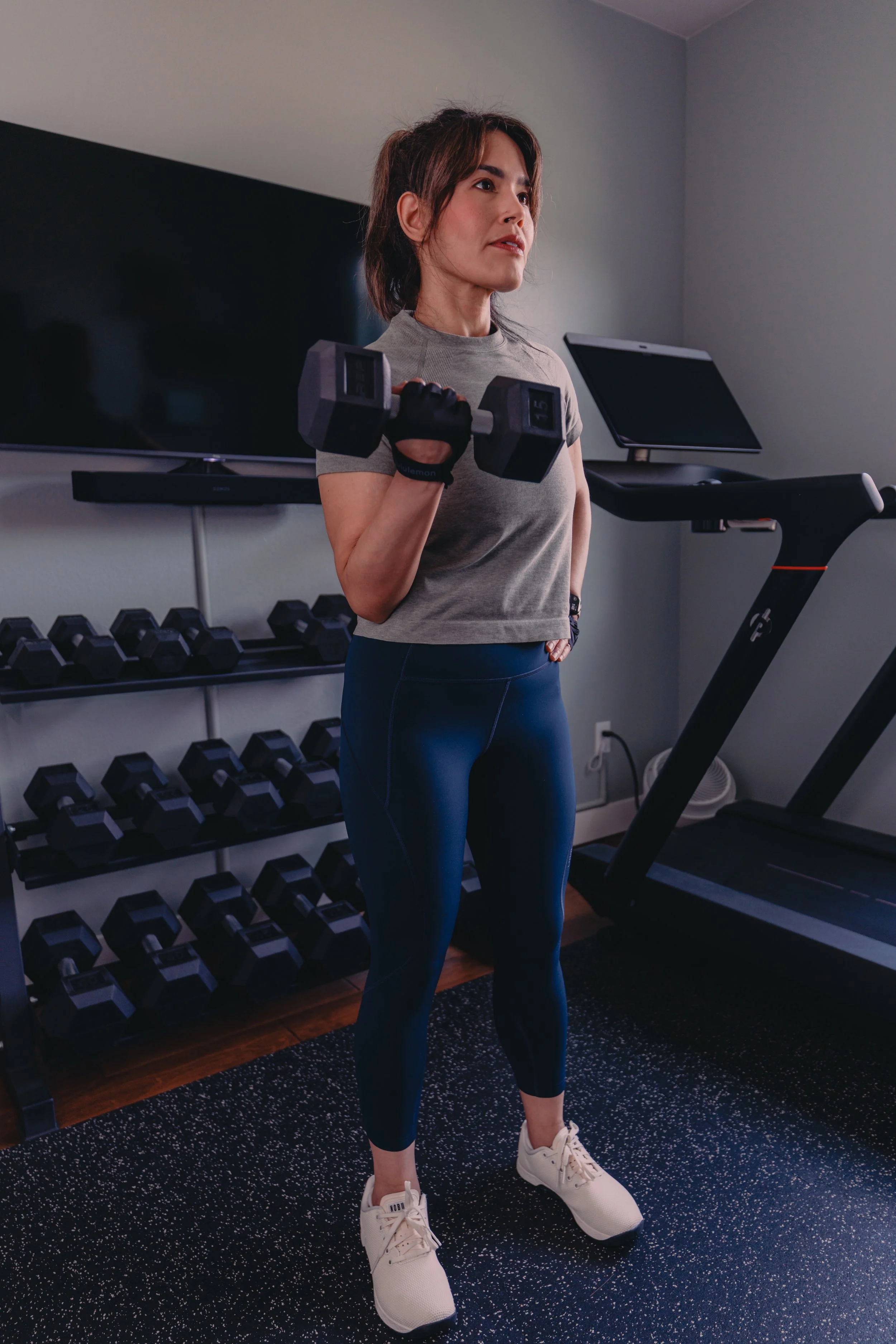
Maybe you’ve been there: following along with a class, copying what someone else is doing, or cycling through the same handful of moves you found online. It’s not that those exercises are bad. It’s that there’s no plan built around you behind them.
Everything I do starts with getting you stronger. But what makes my programming different from a random workout plan is what I build around that strength training: a system designed to help your body move better, stay resilient, and keep up with your life.
Progressive Strength Training
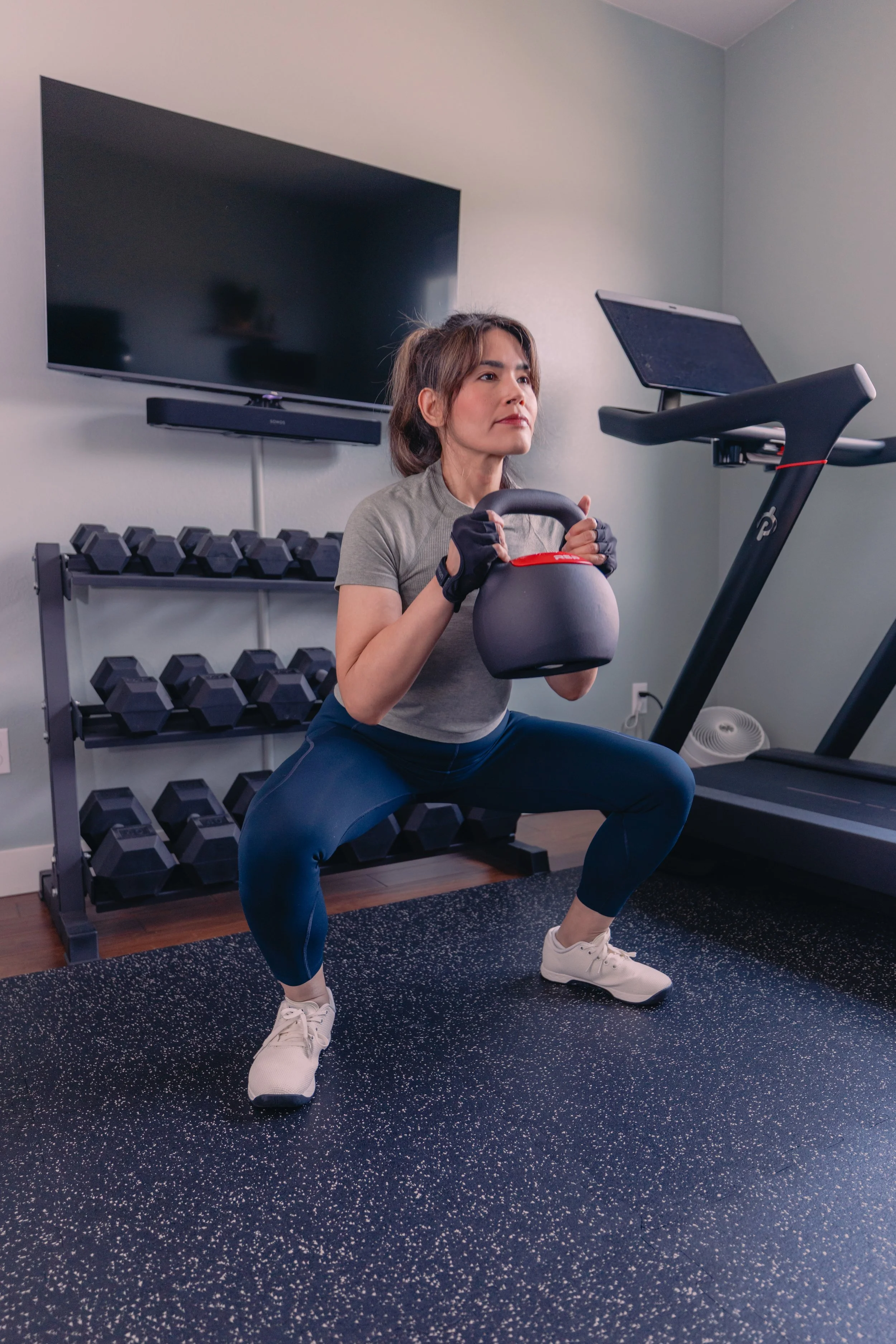
Resistance training is at the center of everything I work with you on. It builds the strength, muscle, and metabolism your body needs to thrive, not just to look different, but to function differently. It protects your joints, supports weight management, and gives you that capable, I-can-handle-this feeling that changes how you move through the world.
If you’ve been told women should stick to light weights and high reps, we’re going to challenge that! Safely, progressively, and on your terms.

Where we start
Before I write a single workout, I need to understand where your body is right now: how it moves, how it’s performing, and what we’re working with. That’s why your first session isn’t a workout. It’s an assessment.
This is the baseline everything else is built on. It tells me what to prioritize, where to start, and how to program specifically for you.
Before we meet
Before your first session, I’ll send you a health and activity questionnaire to fill out on your own time. It covers your medical history, any injuries or conditions I should know about, your current activity level, and your goals. This lets me review everything in advance so we can use our time together wisely.
What we do together
In your first session, we’ll walk through a series of simple assessments. Nothing intimidating, nothing you need to prepare for. Just an honest look at where you’re starting.
↓

Assessment
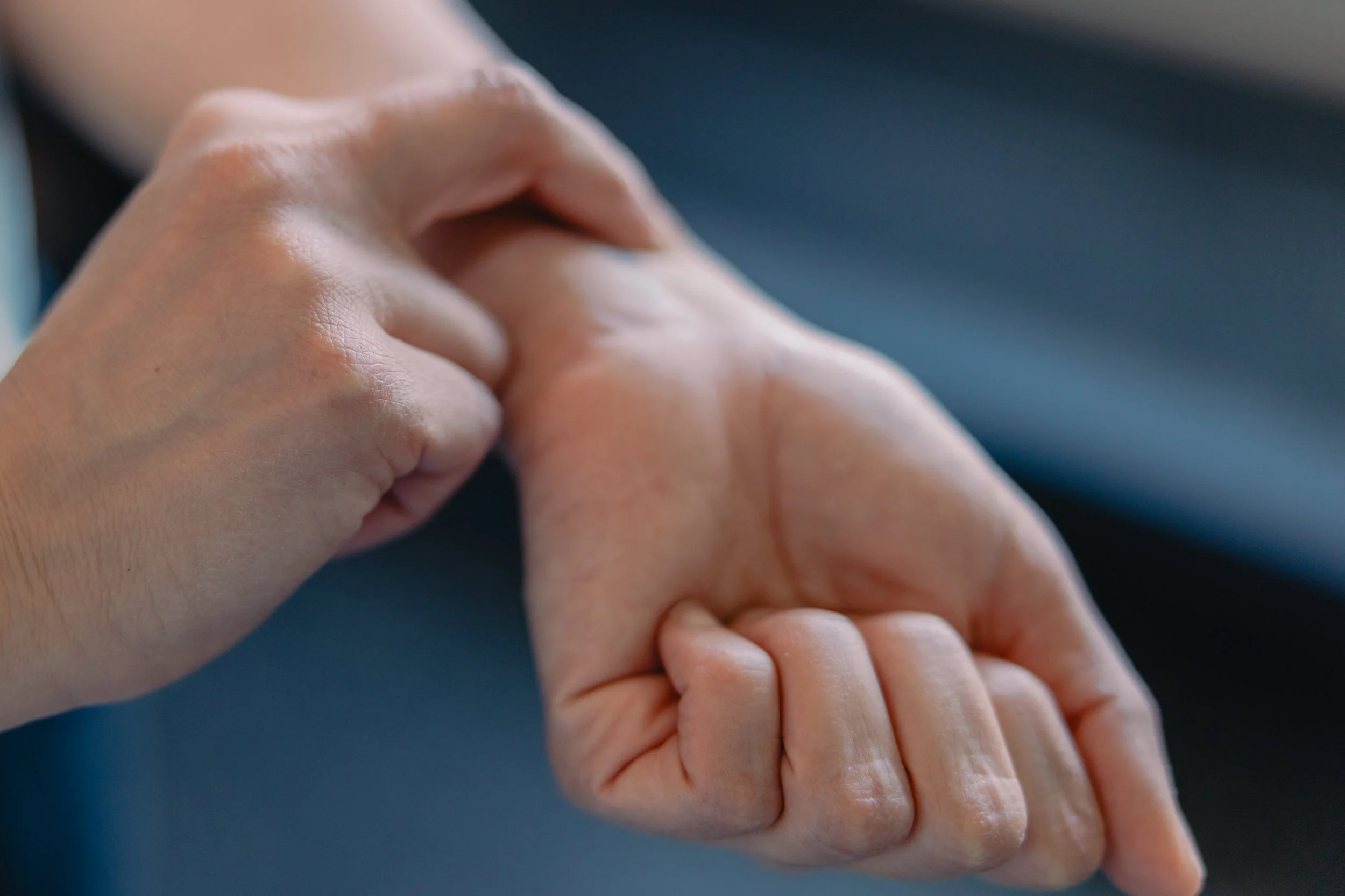
Resting vitals
We’ll check your resting heart rate and blood pressure. These are basic markers of cardiovascular health that help me understand how your body is functioning at rest and track how it improves over time.
Assessment
Body measurements
I’ll take a few simple measurements, not to put a number on your body, but to give us real data points we can track as you get stronger. We’re not chasing a number on a scale. We’re watching your body change in ways that actually matter.
Assessment
Cardio baseline
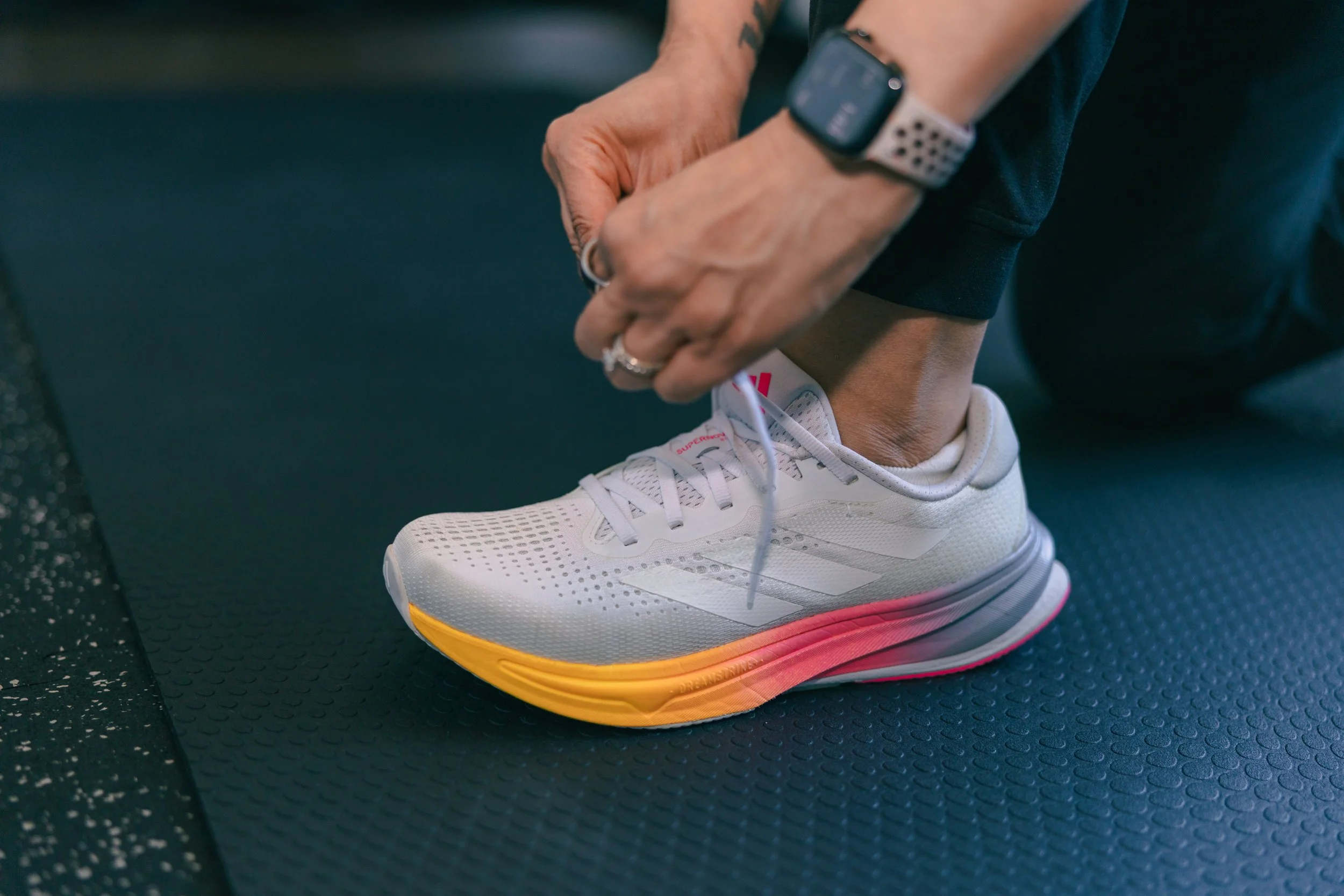
A short, simple test to see where your cardiovascular fitness is right now. This helps me program your training at the right intensity: challenging enough to make progress, manageable enough that you’re not struggling.
Assessment
Posture & movement
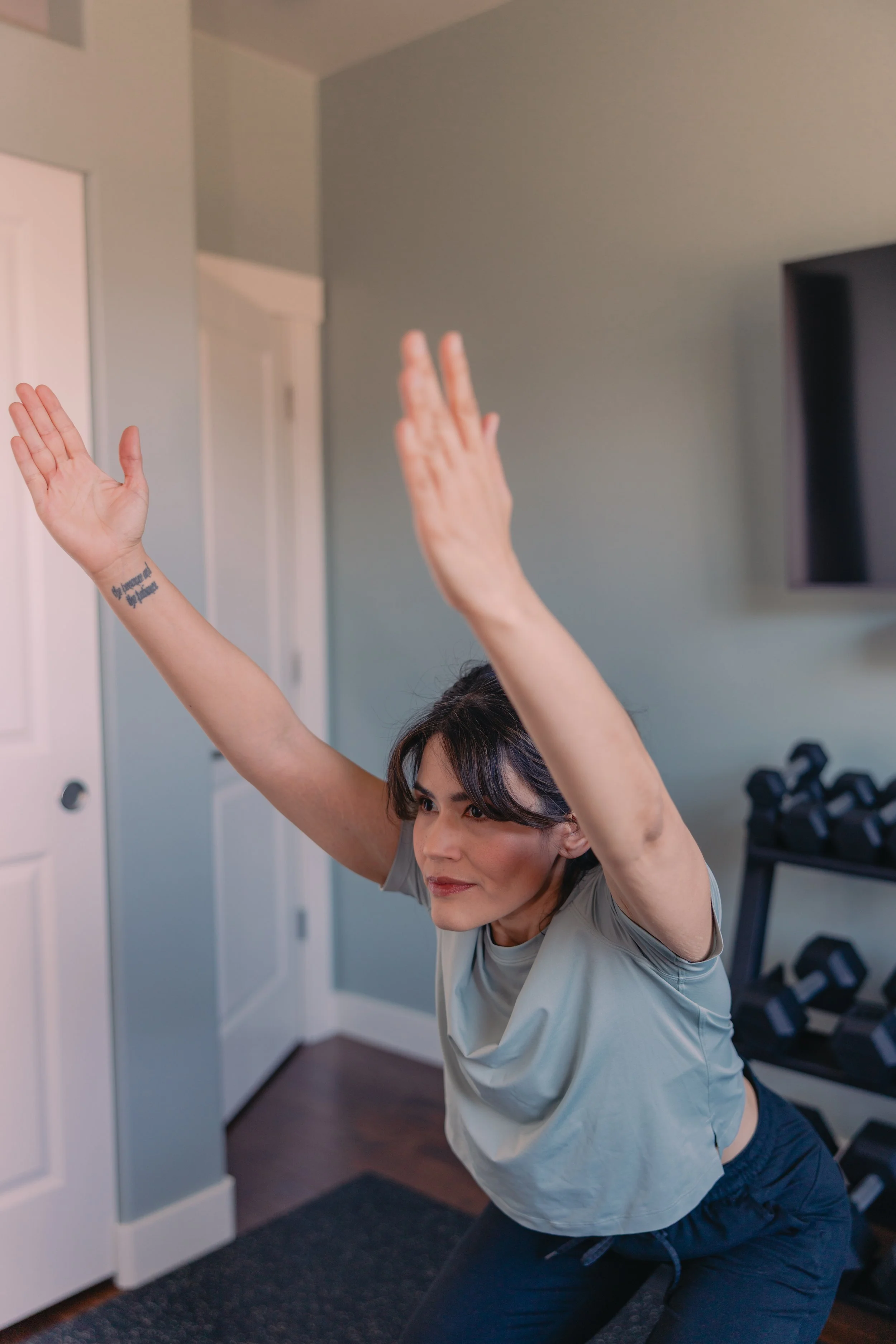
I'll watch how you stand, squat, hinge, push, pull, and carry, and I'll check a few key areas for mobility. I'm not judging your form. I'm looking at which muscles need strengthening, which need loosening, and where your comfortable starting weights are.
If you're training online
Your assessment looks a little different, but the goal is the same. I want to see how you move before I build anything.
In Foundations, you'll send me a short movement video before I write your program. It takes about two minutes, you can film it at home with no equipment, and it shows me what I need to build something that fits you. I'll walk you through exactly what to record.
In Coached, your first week is the assessment. You start training from day one. I watch a few short videos of your working sets along the way, and on our week 2 call, we lock in the program that will take you forward. You aren’t waiting to start. You’re training while I dial it in.
Your measurements live in Everfit, your training app. You'll add them there when you join, and we'll keep track of them over time.
What you get
After your assessment, I’ll put together a summary of everything we found: your baseline numbers, movement observations, and my recommendations for where to focus first. This is yours to keep, and it becomes the starting point we’ll measure your progress against. Every few months, we’ll reassess so you can see how far you’ve come.
The system behind your strength
These types of training are woven into your program to make sure your body can handle the work, recover from it, and keep getting stronger over time.
-
If you feel stiff getting out of bed or tight in your hips after sitting all day, that’s a mobility issue, and it doesn’t fix itself. I build mobility work into your program so your joints move freely, you’re less likely to get hurt, and every other exercise you do works better.
-
A stronger heart and lungs mean lower blood pressure, more energy, and actually keeping up on a hike without feeling like you can’t keep going. I program cardio that fits your life and your goals, not mindless miles on a treadmill.
-
This is about so much more than a flat stomach. A strong core means better posture, less low-back pain, and a body that moves as one connected unit. And your core includes your pelvic floor, so I train it as part of the whole system. It's what lets you carry a heavy bag without tweaking your back, stay balanced on uneven ground, and sneeze without a second thought.
-
After 35, balance starts to quietly decline and those compensations lead to rolled ankles, awkward falls, and movements that feel “off.” Balance training keeps you steady and confident on your feet for decades to come.
-
You don’t have to be an athlete for this to matter. Plyometric (or reactive) training strengthens your bones and connective tissue, builds real-world power for moments when life asks you to move fast, and burns significant energy. I scale it to exactly where you are.
-
When was the last time you had to react quickly? Dodge something, pivot in a parking lot, or catch yourself on an icy sidewalk. This training keeps your body sharp and responsive so you can move with confidence in every direction.
There’s a reason behind every exercise in your program. No more random workouts. Everything we do serves a purpose in building a stronger, more capable you.
That’s what training for life looks like.